The cryptocurrency market experienced a notable shift in sentiment and price action on May 12, 2026, as the latest U.S. Consumer Price Index (CPI) data revealed inflation figures surpassing market expectations. This macroeconomic release, a critical indicator for global financial markets, prompted an immediate US CPI data crypto market reaction, with Bitcoin (BTC) demonstrating unexpected resilience despite broader concerns over potential Federal Reserve monetary policy tightening. Crypto investors and traders were on high alert, assessing how the inflation report would influence interest rate decisions and, consequently, the appetite for risk assets like digital currencies.
April CPI Figures and Initial Market Responses

The U.S. Bureau of Labor Statistics reported that the April CPI rose by 3.8% year-over-year, exceeding economists' forecasts of 3.7%. Simultaneously, the core CPI, which excludes volatile food and energy prices, also came in higher than anticipated, reaching 2.8% against an expected 2.7%. These figures, signaling persistent inflationary pressures, traditionally dampen investor enthusiasm for riskier assets as they may prompt central banks to maintain or increase interest rates.
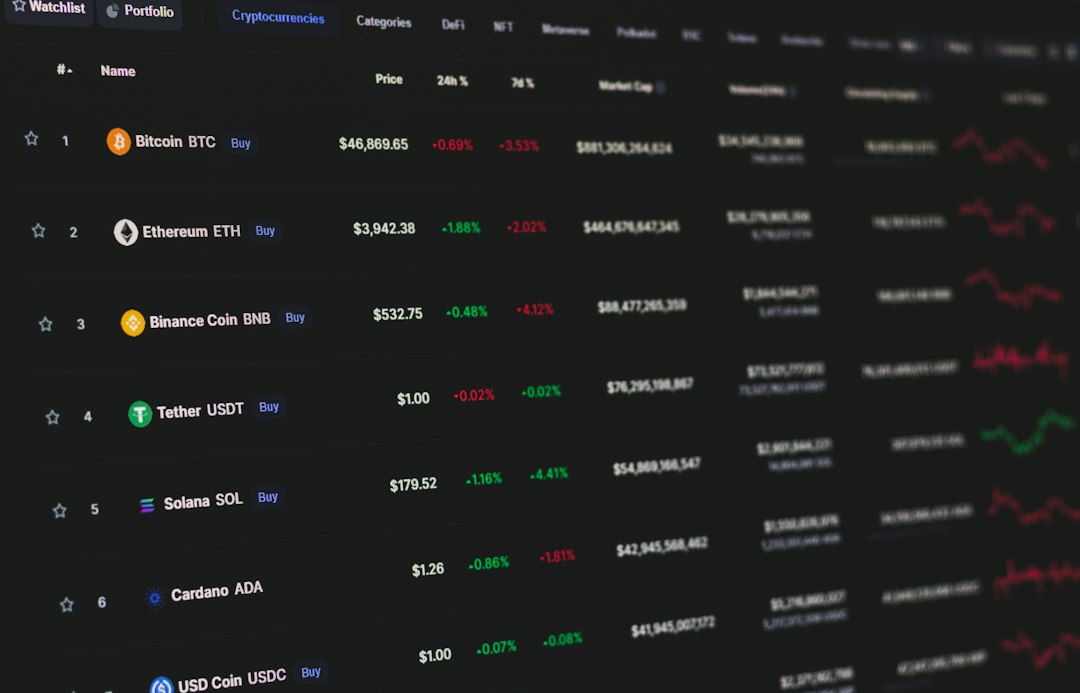
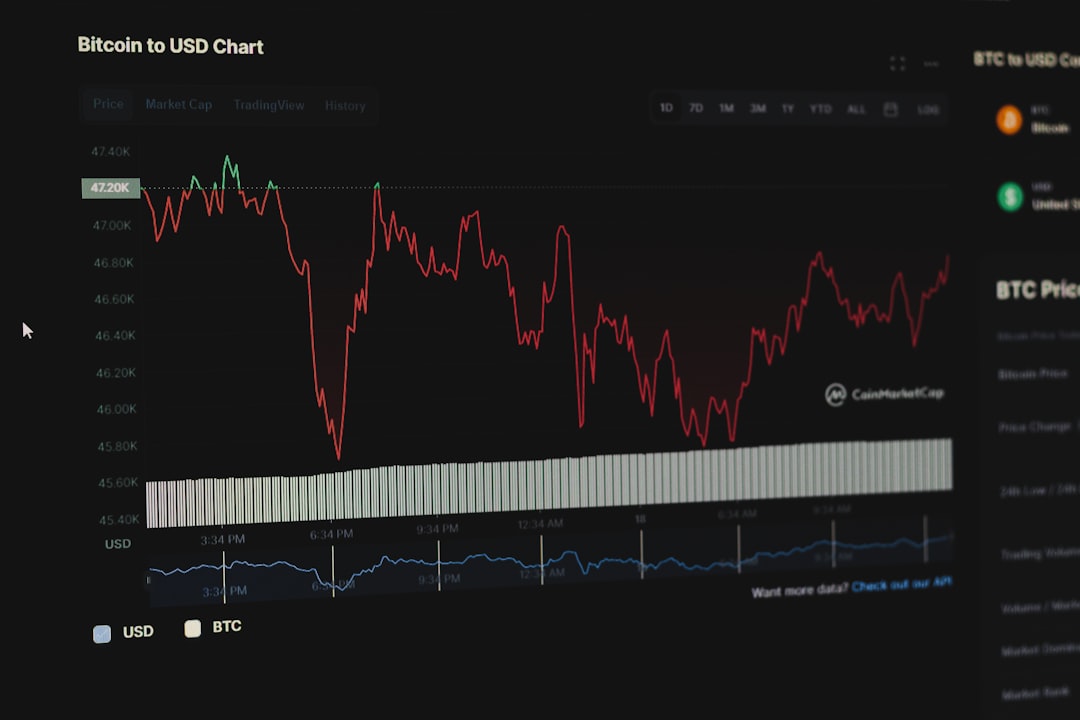
Following the release, the crypto market exhibited a complex immediate reaction. Bitcoin, the flagship cryptocurrency, initially saw its 24-hour decline narrow from 0.79% to a more contained 0.23%, trading around $80,950. This indicated a degree of resilience, suggesting that while the higher inflation print was a concern, the market's initial downside fears may have been somewhat priced in or quickly absorbed. Prior to the U.S. market open, however, major stock index futures, such as the Nasdaq, recorded declines, reflecting a more cautious stance in traditional finance.
Implications for Monetary Policy and Crypto Sentiment
The Consumer Price Index is a pivotal metric for the Federal Reserve, directly influencing its decisions regarding interest rates. Higher-than-expected CPI readings typically signal that inflation remains a concern, increasing the likelihood of prolonged higher interest rates or even further rate hikes. Such a scenario tends to reduce liquidity in the financial system and diminish overall risk appetite, which historically creates headwinds for crypto prices.
As a 'risk-on' asset class for many institutional investors, cryptocurrencies are highly sensitive to shifts in monetary policy. A sustained period of higher interest rates can make traditional, lower-risk investments, such as Treasury bills, more attractive, drawing capital away from speculative assets like Bitcoin and altcoins. The US dollar's strength, often bolstered by higher interest rates, also plays a crucial role, as a stronger dollar can make dollar-denominated cryptocurrencies more expensive for international investors.
The market's initial muted negative US CPI data crypto market reaction in Bitcoin, despite the adverse inflation news, might be interpreted as a sign of underlying strength or a shift in investor expectations. However, the overall crypto market sentiment, as often reflected by the Fear & Greed Index, could lean towards caution if the inflation narrative persists and prompts the Fed to adopt a more hawkish stance in subsequent meetings.
Altcoin Performance and Broader Market Dynamics
While Bitcoin showed relative stability following the CPI release, major altcoins displayed mixed performance. Ethereum (ETH) was observed trading around $2,285.27, experiencing a 2.17% decline in the last 24 hours. Analysts noted that ETH had been consolidating in a range between $2,250 and $2,400, with institutional ETF inflows providing some support but macroeconomic uncertainty limiting upside momentum.
Solana (SOL), on the other hand, demonstrated a slight positive movement, trading around $95.55 with a 0.31% gain. This resilience in SOL could be attributed to ongoing institutional demand, with Solana spot ETFs recording $39.22 million in net inflows over the past week, bringing total inflows to over $1.07 billion. Similarly, XRP saw a modest gain of 0.29%, trading at approximately $1.4558, despite having tested and failed to break the $1.50 resistance level multiple times recently. The XRP market also noted a significant $25.8 million net inflow into US spot XRP ETFs on Monday.
The rebound in Bitcoin dominance above 58% also suggests a period of consolidation where capital might be rotating towards Bitcoin, potentially at the expense of smaller altcoins, even as some altcoins show individual strength due to specific catalysts like ETF inflows or technological upgrades. Geopolitical tensions, particularly the ongoing US-Iran conflict, continue to add layers of volatility to risk assets, further influencing trader psychology across the crypto landscape.
The immediate US CPI data crypto market reaction highlights the intricate dance between macroeconomic indicators and digital asset valuations. As central banks navigate inflation, the crypto market's sensitivity to these traditional financial forces remains a dominant theme, shaping both price trends and investor sentiment.
FAQ
What was the key takeaway from the latest US CPI data for the crypto market?
The key takeaway was that April's CPI data exceeded expectations, with year-over-year inflation at 3.8% and core CPI at 2.8%. While this typically signals potential headwinds for risk assets, Bitcoin showed surprising resilience, narrowing its 24-hour decline to 0.23% following the announcement.
How do higher CPI figures generally affect crypto prices?
Higher CPI figures generally suggest persistent inflation, which can lead the Federal Reserve to maintain or raise interest rates. This reduces liquidity in financial markets and decreases risk appetite, often resulting in downward pressure on crypto prices as investors seek safer, yield-bearing assets.
Did altcoins react similarly to Bitcoin after the CPI release?
Altcoins exhibited a mixed reaction. While Ethereum saw a decline of over 2%, Solana and XRP showed modest gains. This indicates that while macroeconomic factors play a significant role, individual asset-specific catalysts, such as institutional ETF inflows for SOL and XRP, can also influence their performance.
Disclaimer: This content is for informational purposes only and not financial advice.