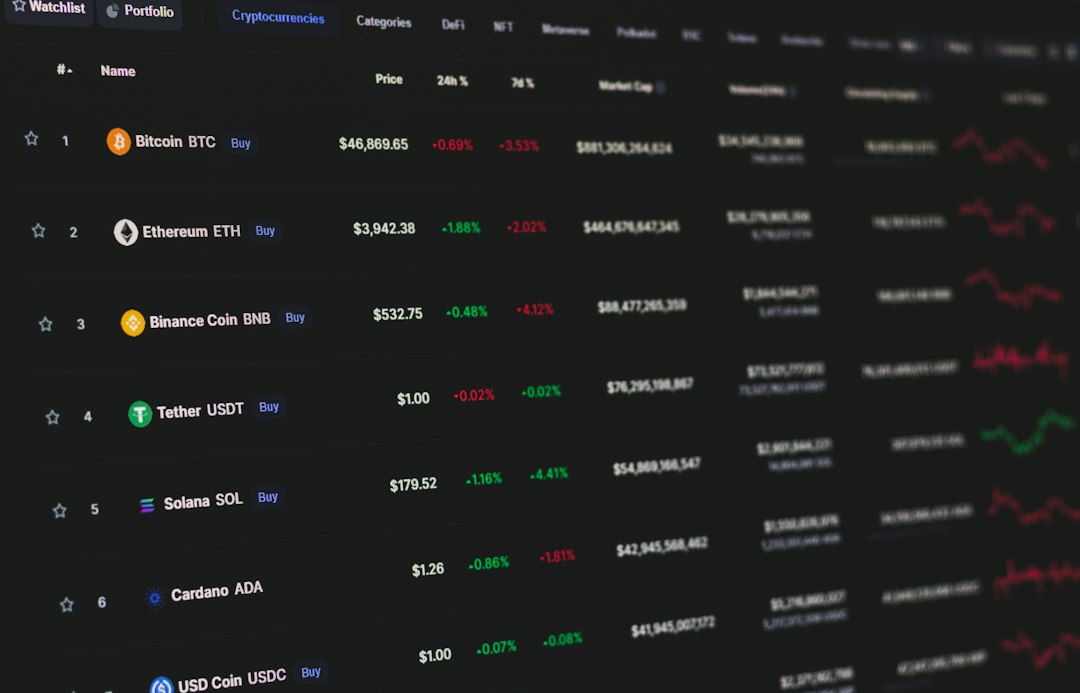
The cryptocurrency market experienced a sharp downturn on May 28, 2026, as renewed geopolitical tensions between the U.S. and Iran, coupled with cautious interpretations of the latest U.S. Personal Consumption Expenditures (PCE) data, pushed digital asset prices significantly lower. This combination of macroeconomic and geopolitical factors triggered a broad risk-off sentiment among investors, leading to substantial liquidations across major cryptocurrencies and sending the overall market sentiment plummeting. Investors are closely monitoring the evolving global landscape and its potential to further impact the crypto market and its key players.
Geopolitical Tensions Intensify Crypto Market Sell-Off

Fresh military exchanges between the United States and Iran on May 28, 2026, created a palpable sense of unease across global financial markets, with the crypto sector bearing a significant brunt of the resulting risk-off sentiment. This escalation prompted a mass exodus from risk assets, accelerating a downturn that saw the total cryptocurrency market capitalization shed approximately 4% over 24 hours, falling to roughly $2.48 trillion. Bitcoin (BTC), the leading cryptocurrency, dipped below $73,000, trading around $72,800, marking a drop of over 4% on the day and continuing a two-week drift from highs above $82,000.
Ethereum (ETH) fared similarly, breaking the psychologically significant $2,000 support level to trade around $1,975, down nearly 8% over the past week. Major altcoins also recorded substantial losses, with Solana (SOL) declining 3.6%, XRP losing 3.5%, Cardano (ADA) dropping to its lowest point since February, and Chainlink (LINK) losing an important trendline support. This widespread decline underscores how quickly global events can ripple through the volatile cryptocurrency ecosystem, affecting market sentiment and triggering sell-offs.
PCE Data Offers Modest Relief Amid Broader Inflation Concerns
Adding to the market's woes, the U.S. Bureau of Economic Analysis released the April PCE inflation report, a key gauge for Federal Reserve policy decisions. While headline PCE came in largely in line with expectations at 3.8% year-on-year, and core PCE rose 3.3% year-on-year and 0.2% month-on-month—a slight deceleration from March's 0.3%—the data provided only modest relief without resolving the broader inflation picture. Some Wall Street giants like JPMorgan and UBS had anticipated a "hot" PCE print, further contributing to the cautious outlook.
The persistent inflation concerns imply a continued hawkish stance from the Federal Reserve, dampening hopes for imminent interest rate cuts that typically buoy risk assets. Fund manager Michael Kramer warned that Bitcoin could continue falling as the U.S. Treasury conducts operations to remove approximately $150 billion in liquidity from the system between May 28 and June 5, which could further weigh on crypto prices. This macro environment, characterized by sticky inflation and a lack of clear dovish signals from central banks, remains a significant headwind for the crypto market, keeping traders defensive and limiting dip-buying demand.
Massive Liquidations and Shifting Market Sentiment
The sharp price movements precipitated by geopolitical and macroeconomic concerns triggered a cascade of liquidations across crypto derivatives markets. Over the past 24 hours, more than $930 million in leveraged crypto positions were liquidated on exchanges, with bullish 'long' positions accounting for the vast majority (93%) of these forced closures. Bitcoin liquidations totaled $363 million, while Ethereum saw $240 million in positions wiped out. The largest single liquidation recorded was a $15.34 million BTC long position on the Hyperliquid platform, illustrating the severity of the market's response.
These large-scale liquidations further amplified the downward pressure on prices, creating a feedback loop that pushed the market deeper into negative territory. Consequently, the broader crypto market sentiment, as measured by the Fear & Greed Index, notably shifted back into 'Extreme Fear' territory. This reflects a significant change from early May, when the index briefly hit 'neutral' at 50/100 as BTC surged past $82,500. The current 'Extreme Fear' reading indicates that investors are highly apprehensive, often leading to panic selling and a heightened aversion to risk, impacting the crypto fear and greed index today.
FAQ
How do geopolitical events affect the crypto market?
Geopolitical tensions, such as military conflicts or international disputes, typically lead investors to de-risk and move capital out of volatile assets like cryptocurrencies and into perceived safe havens. This 'risk-off' behavior often results in significant price drops across the crypto market.
What is the significance of PCE data for cryptocurrency prices?
The Personal Consumption Expenditures (PCE) price index is the Federal Reserve's preferred measure of inflation. Higher-than-expected PCE data can signal that the Fed may maintain a tighter monetary policy, including higher interest rates, which generally reduces liquidity and investor appetite for speculative assets like cryptocurrencies, leading to price declines.
What does a shift to 'Extreme Fear' in the Crypto Fear & Greed Index indicate?
A move to 'Extreme Fear' on the Crypto Fear & Greed Index (which ranges from 0 to 100, with lower numbers indicating more fear) suggests that investors are highly anxious and prone to panic selling. While this often precedes further market declines, some contrarian investors view extreme fear as a potential buying opportunity, assuming the market reaction is overblown.
Disclaimer: This content is for informational purposes only and not financial advice.