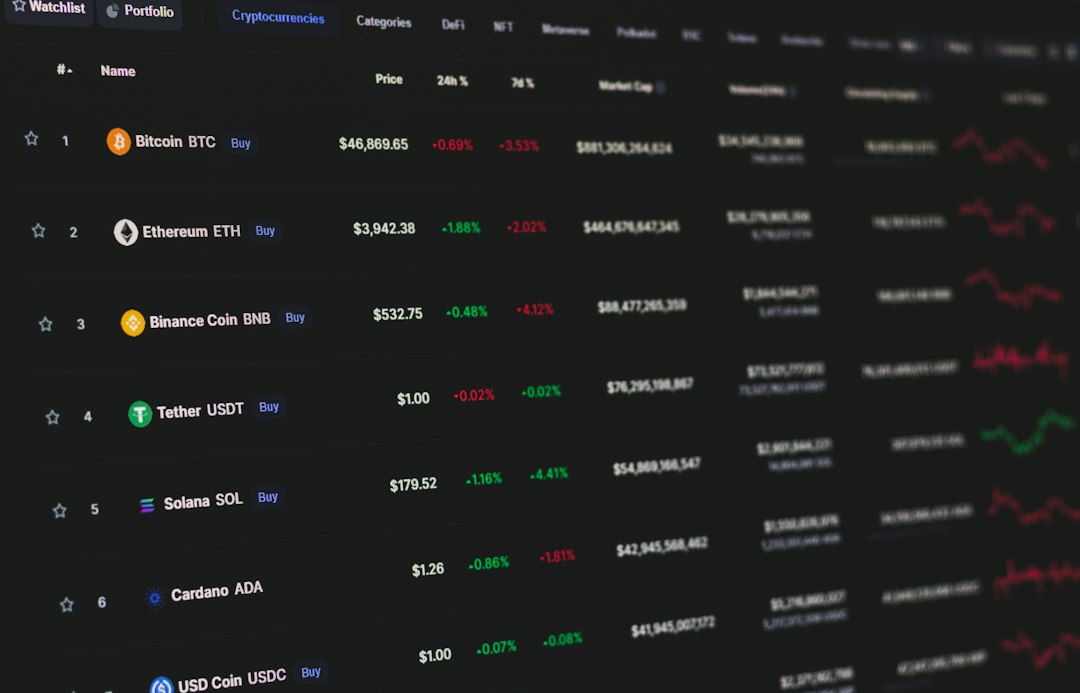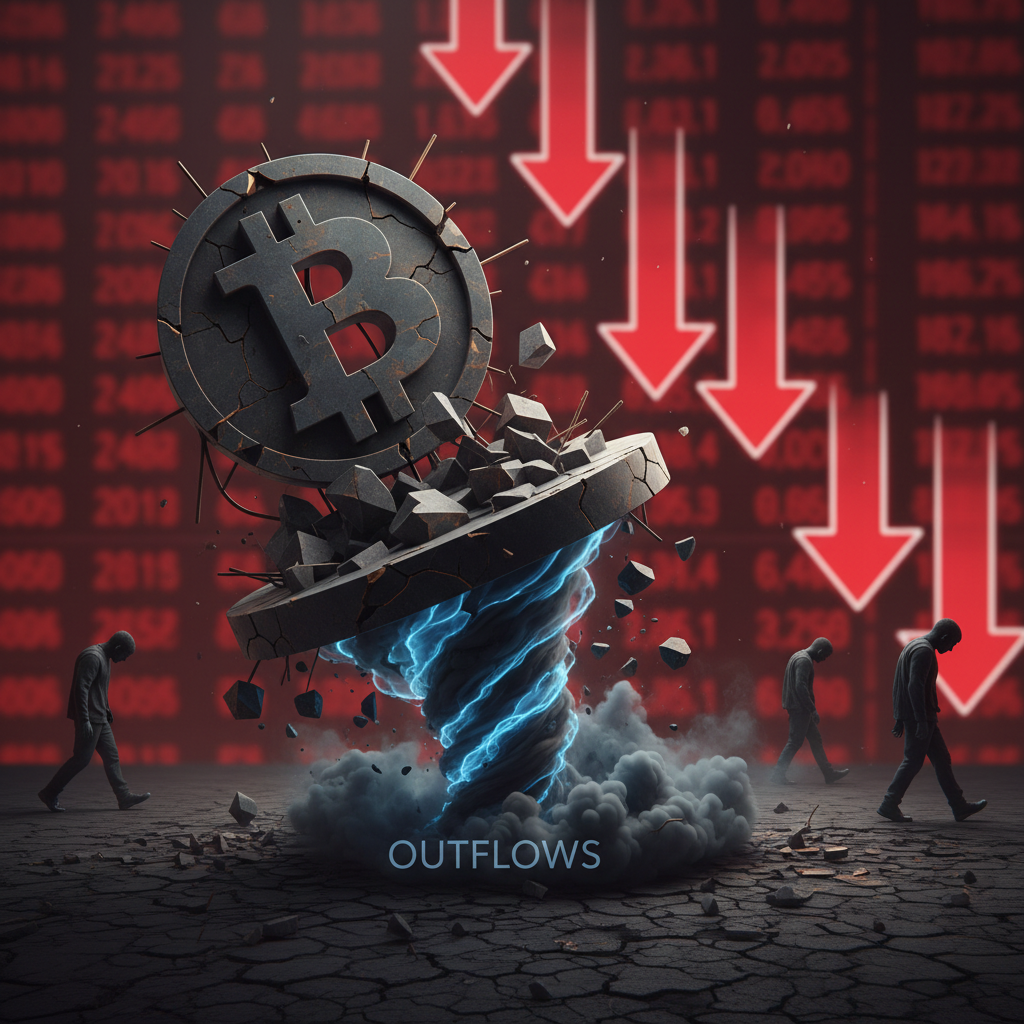
Cryptocurrency markets experienced a significant downturn yesterday, May 22, 2026, following the U.S. Securities and Exchange Commission's (SEC) decision to postpone its framework for tokenized stock trading. This regulatory setback immediately impacted investor confidence, driving Bitcoin (BTC) below the critical $76,000 mark and erasing approximately $33.8 billion in market value. The broader market reaction was swift, with approximately $2.75 million in liquidations occurring within an hour of the news, reflecting a prevailing sentiment of fear across the digital asset landscape.
The Crypto Fear & Greed Index, a key barometer of market psychology, plummeted to 28, firmly placing the market in a state of 'Fear' as investors grapple with renewed regulatory uncertainty. This sudden shift underscores the market's sensitivity to regulatory pronouncements, especially those from influential bodies like the SEC, which continue to shape the operational environment for digital assets and their integration into traditional finance.
Regulatory Uncertainty Mounts Over Tokenized Stocks

The SEC's postponement of the tokenized stock trading framework has introduced a fresh wave of regulatory ambiguity for the burgeoning digital asset sector. The delay, announced on May 22, 2026, primarily stems from concerns regarding third-party issuances and the adequate protection of shareholder rights within this novel framework. While the concept of tokenized stocks — digital representations of traditional equities on a blockchain — holds immense promise for increasing market efficiency and accessibility, regulatory bodies are clearly treading cautiously.
This action by the SEC comes amid a broader push for clearer cryptocurrency regulation in the United States, as evidenced by ongoing debates surrounding the Digital Asset Market Clarity Act (CLARITY Act). While the CLARITY Act aims to formalize rules for crypto-asset market structures, including delineating oversight between the SEC and the Commodity Futures Trading Commission (CFTC), the SEC's latest move highlights specific hesitations regarding the tokenization of traditional securities. The delay signals that regulators are still grappling with how to integrate blockchain technology with existing securities laws, ensuring investor protection without stifling innovation. This creates a challenging environment for projects and platforms looking to advance Real World Asset (RWA) tokenization, as institutional adoption hinges heavily on regulatory clarity and legal certainty.
Bitcoin (BTC) and Altcoins Feel the Pressure as Crypto Fear Grips Market
The immediate consequence of the SEC's announcement was a notable slide in major cryptocurrencies. Bitcoin, the market's benchmark asset, saw its price decline by approximately 2.14% to $75,554.14, falling below the psychological support level of $76,000. This dip reflects a $33.8 billion reduction in Bitcoin's market capitalization, underscoring the significant impact of regulatory news on even the most established digital assets. Ethereum (ETH) and other altcoins also experienced downward pressure, mirroring Bitcoin's trajectory.
The market's reaction was further amplified by a cascade of liquidations. Within a single hour following the news, roughly $2.75 million in leveraged positions were wiped out, primarily affecting long positions betting on price increases. This forced deleveraging contributed to the downward price momentum and signaled a retreat from speculative bullish bets. The overall market capitalization edged down, and the Fear & Greed Index, which had seen some fluctuating sentiment recently, solidified its position in 'Fear' at a reading of 28. This indicates that traders and investors are exercising extreme caution, wary of further regulatory headwinds that could dampen future price appreciation. The ongoing geopolitical uncertainties, particularly surrounding U.S.-Iran negotiations, further contribute to this risk-off sentiment, leading investors to reduce exposure to speculative assets.
Understanding the SEC Delay on Tokenized Stock Trading Framework Impact
The SEC's decision to delay the tokenized stock trading framework has far-reaching implications beyond immediate price movements. For the crypto market, especially those segments focused on Real World Asset (RWA) tokenization, this represents a temporary slowdown in a highly anticipated area of growth. Tokenized stocks are seen as a bridge between traditional finance and blockchain, promising enhanced liquidity, fractional ownership, and faster settlement. The delay, however, suggests that significant hurdles remain in achieving regulatory comfort for these innovations.
The SEC's concerns over third-party issuances and shareholder protection highlight the complexities of applying existing financial regulations to decentralized, blockchain-based systems. This could necessitate more robust compliance mechanisms, clearer legal definitions, and potentially new legislative efforts before tokenized stocks can gain widespread institutional adoption. For crypto investors, the event reinforces the notion that regulatory developments remain a primary catalyst for market-moving events, often overshadowing other fundamental or technical indicators. A sustained period of regulatory uncertainty can deter institutional capital, which typically seeks clear operational guidelines before committing significant investments. Therefore, market participants will closely monitor future SEC statements and the progression of bills like the CLARITY Act for signs of a more defined and accommodating regulatory path.
FAQ
What caused Bitcoin's recent price drop?
Bitcoin's recent price drop below $76,000 on May 22, 2026, was primarily triggered by the U.S. SEC's postponement of its tokenized stock trading framework. This regulatory delay created uncertainty, leading to liquidations and a decrease in overall market confidence.
What is the Crypto Fear & Greed Index?
The Crypto Fear & Greed Index is a sentiment indicator that measures the prevailing emotional state of the cryptocurrency market. It ranges from 0 (Extreme Fear) to 100 (Extreme Greed). A reading of 28, as seen recently, indicates significant fear among investors.
What does the SEC delay mean for tokenized stocks?
The SEC's delay means that the full regulatory framework for tokenized stock trading is still under review, primarily due to concerns about third-party issuances and shareholder protections. This indicates that widespread institutional adoption of tokenized stocks may take longer to materialize as regulators work to establish clear guidelines.
This content is for informational purposes only and not financial advice.