
The cryptocurrency market faced renewed selling pressure this Tuesday as Bitcoin (BTC) struggled to defend key technical levels near $74,000. Traders and institutional desks are assessing the bitcoin etf outflows impact across digital asset markets following another session of sharp withdrawals from spot exchange-traded funds. Compounded by hotter-than-expected United States inflation prints and shifting macroeconomic expectations, broader sentiment has taken a distinctly defensive turn, suppressing risk appetite across both benchmark tokens and alternative digital assets.
Analyzing the Bitcoin ETF Outflows Impact on Institutional Demand
Institutional interest through exchange-traded products has cooled significantly over the past week, presenting a noticeable drag on spot prices. BlackRock's iShares Bitcoin Trust (IBIT)—the largest spot Bitcoin ETF in the United States—recorded its seventh consecutive day of capital redemptions on Monday, dropping $213 million in a single trading session. This outflow streak has accumulated over $1.66 billion in net institutional withdrawals since late October, marking one of the steepest multi-day drawdowns for the fund to date.
Across the entire US spot Bitcoin ETF sector, net daily outflows reached $201 million on Monday, following a grueling preceding week where net liquidations surpassed $1.2 billion. Although modest capital allocations into competing funds provided partial relief, aggregate redemptions comfortably outpaced inflows. Spot Ethereum (ETH) ETFs were not spared either, seeing approximately $185 million in net withdrawals. This institutional pullback rapidly filtered down into major altcoins, dragging Ethereum down over 4% while Solana (SOL) and Ripple (XRP) shed between 3% and 5% in parallel trading.
Macro Pressures and Regulatory Uncertainty Amplify Selling
Beyond capital flows from institutional vehicles, external macroeconomic headwinds have added friction to crypto valuations. The latest US Consumer Price Index (CPI) report for October arrived hotter than market consensus, showing headline consumer prices rising 0.4% month-over-month against forecasts of 0.3%. Core inflation also ticked up by 0.3%, reducing expectations for near-term Federal Reserve monetary easing and pushing sovereign yields higher. The resulting strength in the US dollar placed immediate downward pressure on risk-correlated assets.
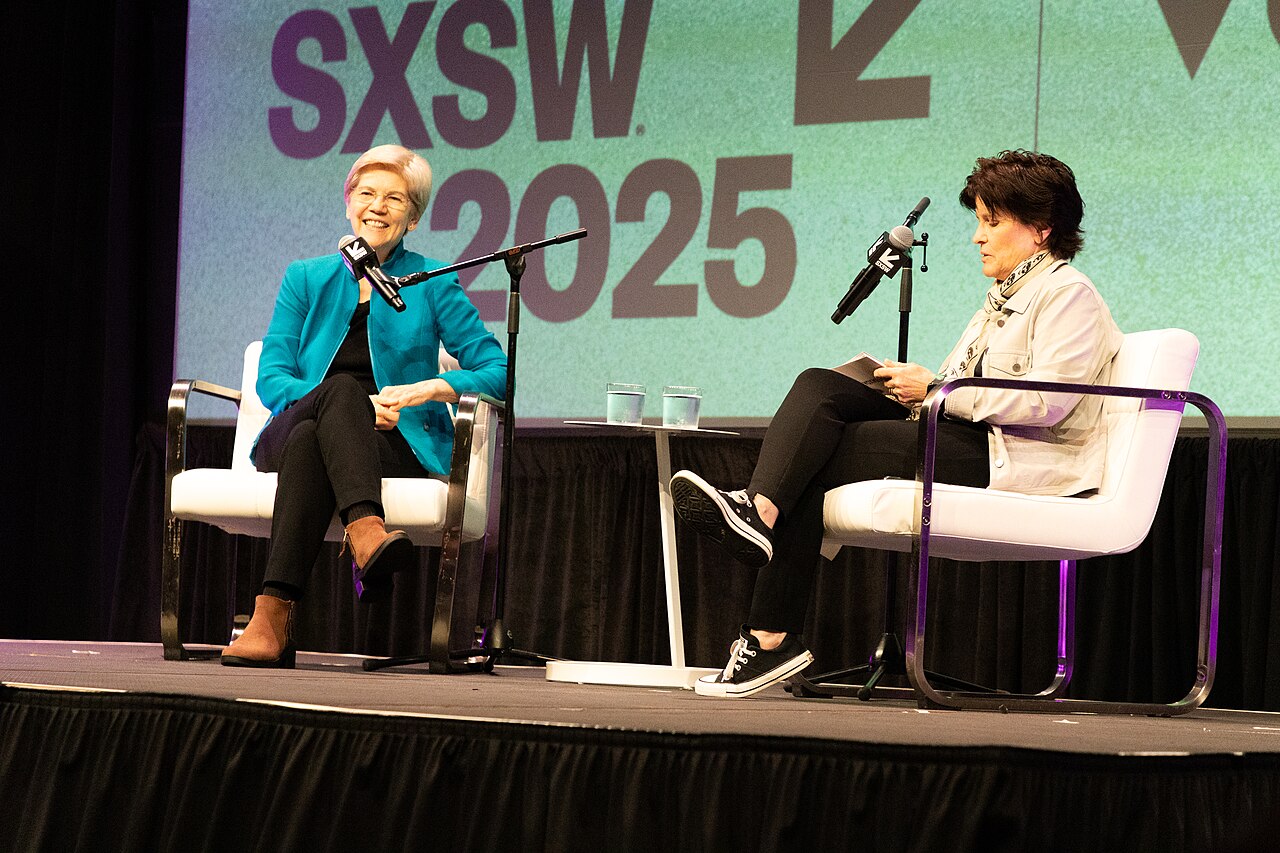
Simultaneously, shifting political dynamics following the US midterm elections have rattled regulatory expectations. Industry participants are closely tracking potential legislative changes, particularly with prominent crypto critic Senator Elizabeth Warren positioned to lead the Senate Banking Committee. Derivative markets reflected this mounting anxiety; leveraged long liquidations swept through major exchanges over the past 48 hours, forcing margin calls and accelerating automated spot market selling.
Fear & Greed Index Plunges as Bearish Psychology Sets In
CryptOwl monitors trader positioning and crowd psychology, and the sustained drop below $75,000 has decisively pushed the Fear & Greed Index into "Fear" territory, recording readings between 28 and 32. This marks a precipitous decline from the euphoric sentiment witnessed earlier in the autumn when greed readings regularly exceeded 80 points.
Historically, aggressive outflows from institutional exchange-traded funds trigger heightened retail hesitation, triggering a feedback loop where spot volume contracts and price discovery relies heavily on thin order books. Technical analysts are currently watching the $73,150 level—aligning near the 200-day simple moving average—and the $72,600 structural support floor. A failure to consolidate above these bands could open the path toward the psychological $70,000 threshold before institutional demand stabilizes.
Frequently Asked Questions
What is the primary driver behind the recent Bitcoin downturn?
The primary catalysts are persistent multi-day outflows from US spot Bitcoin ETFs—led by BlackRock's IBIT—alongside higher-than-expected US October CPI inflation data and political shifts in key US regulatory committees.
How low has crypto market sentiment fallen today?
The Crypto Fear & Greed Index dropped into the fear zone at a reading between 28 and 32, down sharply from the greed levels above 80 seen during late summer.
What technical price levels are market participants watching for BTC?
Traders are closely tracking the 200-day moving average around $73,150 and horizontal support near $72,600, with $70,000 serving as the next major psychological safety cushion.
Disclaimer: This article is provided for informational purposes only and should not be considered financial, investment, or legal advice.
Cover photo: Jim.henderson / Public domain, via Wikimedia Commons