
A sweeping wave of deleveraging has rattled digital assets this week, dragging major tokens to multi-year lows. As broader market conditions deteriorate under severe selling pressure, the crypto fear and greed index today collapsed to a reading of 10 out of 100, entering deep "Extreme Fear" territory. The downturn is headlined by Ripple (XRP), which breached its crucial $1 psychological baseline over the weekend to tap $0.892 before stabilizing near $0.954 on Tuesday. Simultaneous weakness across Bitcoin (BTC) and major altcoins reflects surging Treasury yields and institutional capital flight.
What Is Driving the XRP Breakdown Below $1?
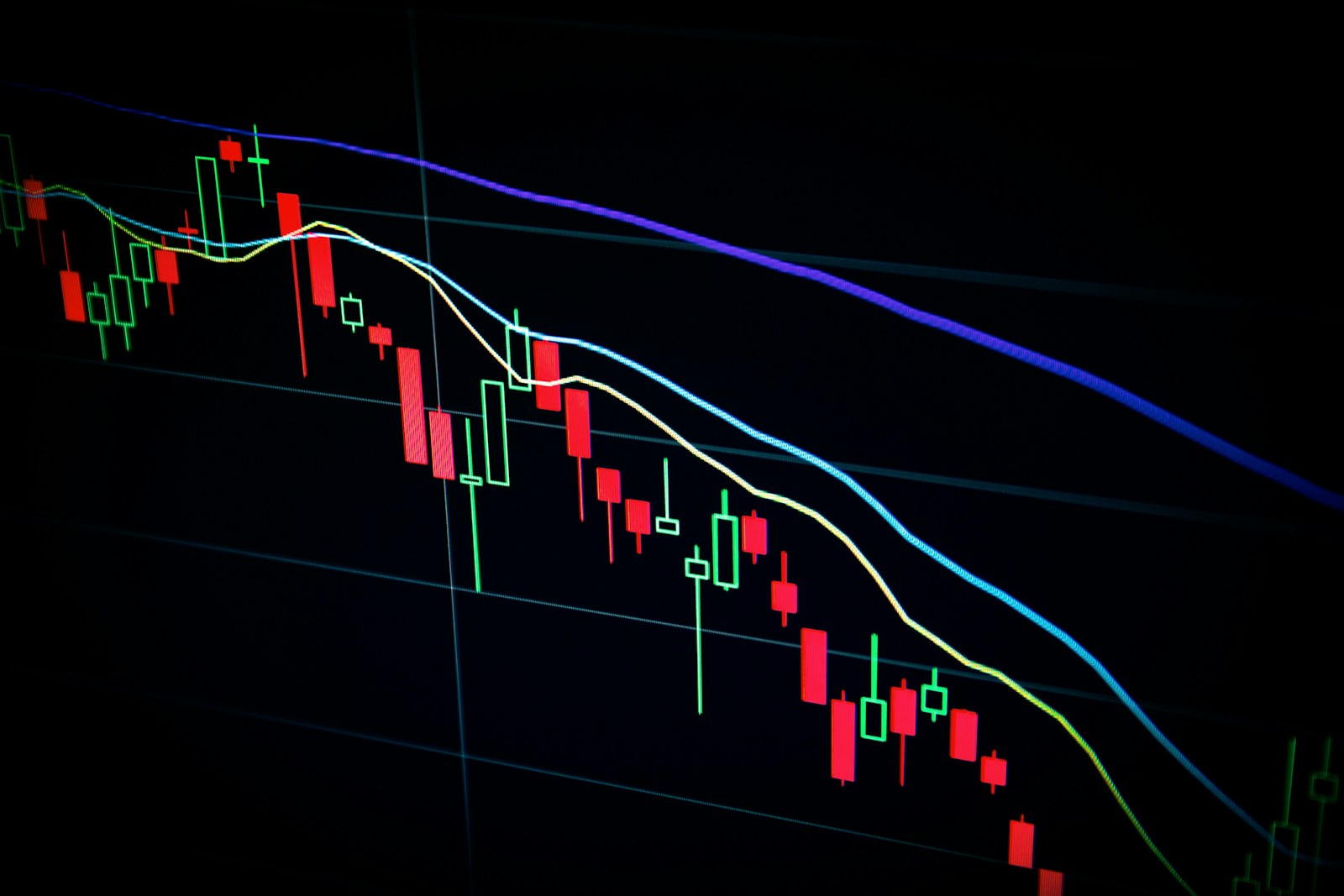
The breakdown of XRP represents a significant technical deterioration for the asset, marking its lowest valuation since November 2024. Over the past 30 days, XRP has shed roughly 28% of its market value, outpacing Bitcoin's 20% decline over the same window. The asset's plunge past the $1 milestone triggered an immediate cascade of derivative liquidations. Perpetual futures open interest on XRP stood at $2.12 billion when the floor gave way, sparking over $17 million in long liquidations in a single session.
Technical indicators illustrate the sheer intensity of the decline. XRP is now trading significantly beneath its 50-day, 100-day, and 200-day Exponential Moving Averages (EMAs), clustered between $1.21 and $1.32. Although its Relative Strength Index (RSI) has sunk into deeply oversold territory at 25, on-chain analytics provide little near-term comfort. Data from CryptoQuant highlights distinct sell-side dominance among whale accounts across spot exchanges, while regular monthly escrow unlocks of 200 million to 400 million XRP continue to introduce persistent supply into an illiquid market.
Macro Pressures and $1.9 Billion in Bitcoin ETF Outflows
The broader catalyst behind the current downturn stems from macroeconomic headwinds and cooling institutional demand. Stronger-than-expected October inflation prints, including hotter Consumer Price Index (CPI) and Producer Price Index (PPI) metrics alongside resilient employment data, have prompted Wall Street to reprice interest rate expectations. Yields on the 10-year U.S. Treasury note vaulted to 5.15%, significantly raising the hurdle rate for non-yielding speculative assets and drawing risk capital away from crypto.
This macroeconomic squeeze has directly impacted institutional vehicles. U.S. spot Bitcoin exchange-traded funds (ETFs) logged seven consecutive trading days of net redemptions, with cumulative outflows topping $1.91 billion since November 5. Bitcoin itself slipped toward $64,300, leading derivatives traders on Deribit to aggressively buy protective downside put options. Altcoins suffered even steeper collateral damage, with Stellar (XLM) sliding to a multi-year low of $0.130 as liquidity across the entire sector dried up.
Crypto Fear and Greed Index Today Sinks to Extreme Fear
With macroeconomic pressure mounting and technical supports breaking down, the crypto fear and greed index today reached 10, signaling extreme fear among retail and institutional participants alike. The index, which quantifies volatility, market momentum, social volume, and order flow, highlights a dramatic pivot in trader psychology from cautious hesitation toward outright capital preservation.
At CryptOwl, this shift demonstrates how quickly liquidity contractions can undermine market confidence. When institutional ETF outflows align with macro yield spikes, speculative support evaporates rapidly. Whale accumulation has largely stalled, replaced by defensive hedging and risk mitigation. Historical readings at this extreme level often point to exhausted seller momentum, yet market participants appear reluctant to step in as dip-buyers until clearer macroeconomic signals emerge from the Federal Reserve.
Frequently Asked Questions
Why did XRP fall below the key $1 support level?
XRP broke below $1 due to a combination of broader crypto market deleveraging, large whale spot selling, high futures liquidation cascades, and recurring supply unlocks, compounded by rising U.S. Treasury yields that diminished risk appetite.
What does a reading of 10 on the Fear & Greed Index indicate?
A score of 10 signifies "Extreme Fear" across the crypto ecosystem. It suggests that investors are deeply pessimistic and risk-averse, reflecting heavy outflows from ETFs, sharp price declines, and dominant sell-side momentum.
How are U.S. Treasury yields impacting digital assets?
When risk-free benchmark yields like the 10-year U.S. Treasury rise above 5%, capital moves out of speculative and non-yielding assets like cryptocurrencies and into high-yielding government debt, drying up market liquidity.
Disclaimer: This article is provided for informational and educational purposes only and should not be construed as financial or investment advice.
Cover photo: Coinhako / Unsplash