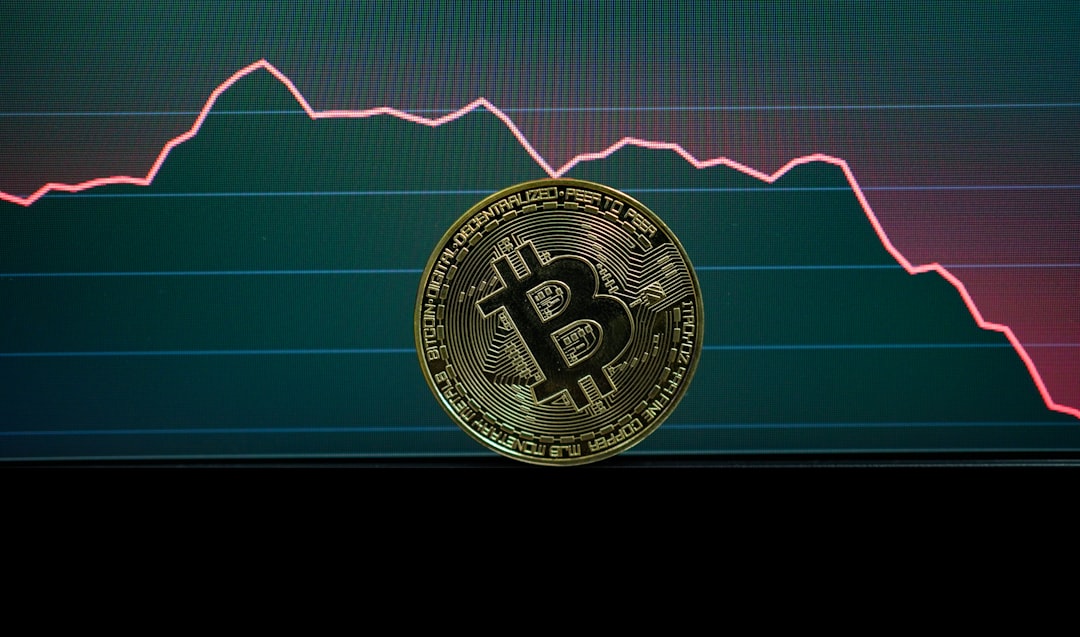
The cryptocurrency market experienced a significant downturn in the past 24-48 hours, with Bitcoin (BTC) and major altcoins retreating sharply, as fresh U.S. inflation data exceeded expectations, fueling concerns about a prolonged period of higher interest rates. This macroeconomic shift has dampened investor confidence, pushing overall market sentiment into a more cautious, if not fearful, territory.
On May 16, 2026, the crypto market saw a widespread decline, with a staggering 352 out of 390 tracked tokens recording losses. Bitcoin, the market leader, fell below the key psychological level of $80,000, trading near $79,094 at press time, and even dipping to $78,231 in some sessions. This repricing came hot on the heels of the U.S. Producer Price Index (PPI) report for April, which revealed a hotter-than-expected inflation picture. Core PPI surged 5.2% year-over-year, significantly surpassing the market's forecast of 4.3%, while the monthly PPI increase of 1.4% also far exceeded the 0.5% consensus.
Inflationary Pressures and Fed's Hawkish Stance on Bitcoin Price

The latest inflation figures have delivered a stark message to financial markets: inflationary pressures are proving more persistent than previously hoped. The higher-than-expected Producer Price Index (PPI) data, coupled with a Consumer Price Index (CPI) that also came in above forecasts (3.8% year-over-year for April vs. 3.7% expected), has led to a significant recalibration of expectations regarding the Federal Reserve's monetary policy.
Initially, market participants had priced in multiple interest rate cuts for 2026. However, the recent inflation shock has largely erased these dovish expectations. Traders are now contemplating a scenario where the Federal Reserve maintains its benchmark interest rate, currently held steady at 3.5% to 3.75% for the third consecutive meeting, for a longer duration or even considers further hikes. This hawkish pivot stems from the Fed's mandate to control inflation, and sticky prices force the central bank to keep monetary conditions tighter, which typically spells trouble for risk assets like cryptocurrencies.
The end of Jerome Powell's second term as Fed Chair on May 15, 2026, and the interim period before Kevin Warsh is sworn in, adds another layer of uncertainty. While Powell remains on the Board of Governors, the leadership transition, combined with the inflation surprise, contributes to market apprehension, as markets generally dislike unpredictability.
Broader Market Impact and Liquidation Cascade
The impact of escalating inflation fears and the resulting shift in Fed outlook was not confined to Bitcoin. The broader crypto market experienced substantial losses across the board. Ethereum (ETH) saw its price drop to approximately $2,221, while Solana (SOL) fell to around $89.13. XRP also experienced a decline, trading near $1.43. Dogecoin, Cardano, and BNB were among other major altcoins facing significant downward pressure.
The sudden market downturn triggered a wave of liquidations, particularly impacting leveraged long positions. Data indicates that over $550 million in digital asset positions, primarily leveraged long bets, were wiped out within a 24-hour period, signaling significant pain for over-leveraged traders. In total, the crypto market capitalization shed nearly $90.3 billion in just one hour on May 16, underscoring the market's sensitivity to macroeconomic catalysts.
Further exacerbating the bearish sentiment, U.S. spot Bitcoin ETFs, which had previously seen robust inflows, recorded sustained outflows. The 7-day average net outflow from these ETFs reached $88 million per day. Specifically, on May 16, spot Bitcoin ETFs experienced $290 million in outflows, ending a six-week streak of inflows, as institutional investors reduced their exposure amid the worsening macroeconomic outlook.
Market Sentiment Shifts Towards Caution
The confluence of higher-than-expected inflation, a more hawkish Federal Reserve stance, significant price declines across major assets, and substantial liquidations has markedly shifted crypto market sentiment. What was recently a market displaying signs of 'Greed' has quickly moved towards 'Neutral' or even 'Fear' on the Fear & Greed Index. Investors are re-evaluating risk, with many adopting a more defensive posture in anticipation of continued volatility and potential economic headwinds. The traditional correlation between the crypto market and broader risk assets, such as equities, remains strong, demonstrating how deeply integrated digital assets have become into the global financial narrative. Traders are now closely watching for any signs of inflation cooling or a shift in the Federal Reserve's rhetoric that could provide a catalyst for a market recovery.
FAQ
What is the primary reason for the recent crypto market downturn?
The primary reason for the recent crypto market downturn is the higher-than-expected U.S. inflation data (both PPI and CPI), which has led to increased concerns about the Federal Reserve maintaining higher interest rates for a longer period, negatively impacting risk assets like cryptocurrencies.
How did Bitcoin's price react to the inflation news?
Bitcoin's price reacted negatively, falling below the $80,000 mark and trading near $79,094, with some reports indicating dips to $78,231. This decline reflects investor apprehension regarding persistent inflation and tighter monetary policy.
What was the impact on altcoins and overall market sentiment?
Major altcoins like Ethereum, Solana, and XRP also experienced significant declines of 3-5%. The overall crypto market capitalization lost billions, and market sentiment shifted from optimistic to cautious or fearful, as evidenced by widespread token losses and large-scale liquidations of leveraged positions.
This content is for informational purposes only and not financial advice.