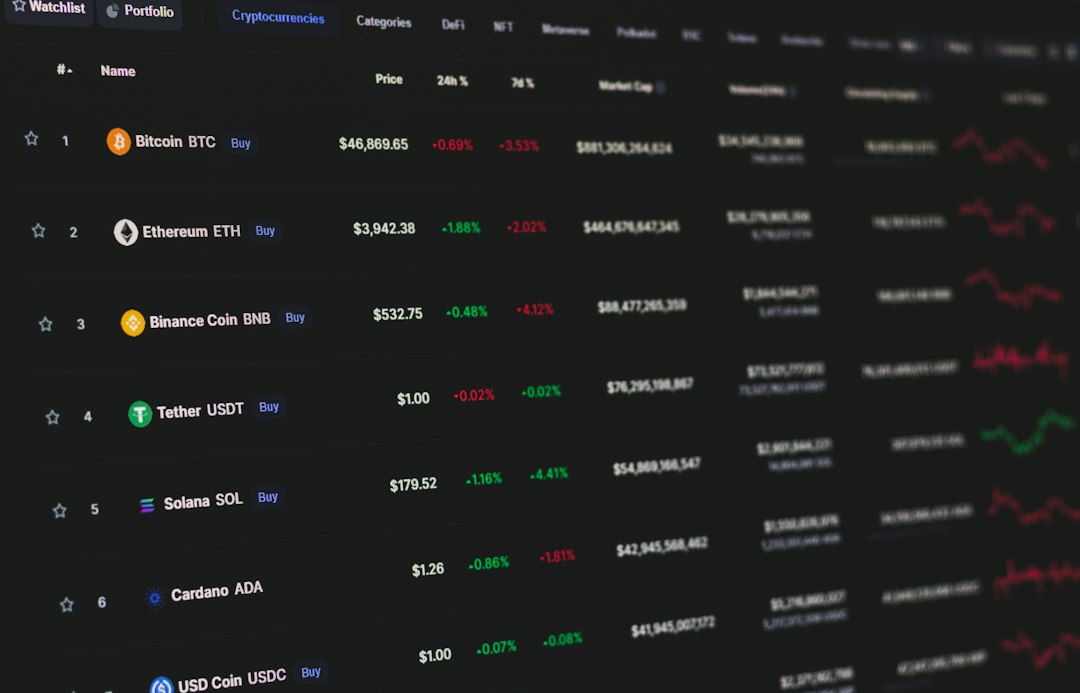
The cryptocurrency market experienced significant turbulence this week as fresh U.S. inflation data sent Bitcoin (BTC) tumbling below the critical $80,000 psychological support level. The sharp downturn, observed on May 13, 2026, triggered a cascade of liquidations across digital asset exchanges, profoundly impacting Bitcoin market sentiment after the inflation report and pushing overall investor psychology toward a more cautious stance.
Following the release of the latest U.S. Producer Price Index (PPI) report, which came in hotter than anticipated, concerns over persistent inflation and the likelihood of prolonged restrictive monetary policies intensified. This macroeconomic headwind immediately translated into selling pressure for risk assets, with Bitcoin bearing the brunt of the market's re-evaluation. Bitcoin, which had briefly attempted to stabilize above $81,000, quickly capitulated, trading near $79,000 in the aftermath of the report.
Macroeconomic Headwinds and BTC's Dip

The latest U.S. Producer Price Index (PPI) data, unveiled on May 13, 2026, served as a potent reminder of inflation's enduring presence in the global economy. This unexpected strength in wholesale prices fueled speculation that the Federal Reserve might maintain higher interest rates for an extended period, dampening investor appetite for speculative assets like cryptocurrencies. The immediate reaction in traditional markets saw Treasury yields and the U.S. dollar strengthen, a classic 'risk-off' signal that typically exerts downward pressure on digital assets.
Bitcoin's inability to hold the $80,000 mark is particularly noteworthy, as this level had served as a crucial psychological and technical support throughout the preceding week. The breach of this level suggests a significant shift in market dynamics, with bears gaining control. Compounding the issue, technical resistance near the $82,000 region has consistently capped Bitcoin's upside momentum in recent sessions, turning rallies into profit-taking opportunities and contributing to the repeated pullbacks into the high-$79,000 to low-$80,000 range.
Cascade of Liquidations Fuels Downturn
The sudden drop in Bitcoin's price after the inflation news was exacerbated by substantial liquidation events. Data from Coinglass revealed that over $244 million worth of leveraged long positions were liquidated in the 24 hours surrounding the market downturn, with Bitcoin alone accounting for over $82 million of these forced closures. Another report indicated global crypto liquidations reached $165 million in just four hours on May 13, predominantly affecting long positions.
These cascading liquidations occur when highly leveraged traders bet on price increases, and a sudden downturn forces exchanges to automatically close their positions to prevent further losses. This forced selling amplifies the downward price movement, creating a feedback loop that further stresses the market. This volatile environment also impacted other major cryptocurrencies, with Ethereum (ETH), XRP, and Solana (SOL) experiencing downward pressure alongside Bitcoin.
What This Means for Bitcoin Market Sentiment After Inflation Report
The recent price action, directly influenced by macroeconomic data, underscores Bitcoin's increasing correlation with traditional financial markets and broader liquidity conditions. For CryptOwl's audience, this event is a clear indicator of a shift in market sentiment. The Fear & Greed Index, which measures overall crypto market emotion, likely moved away from 'neutral' or 'greed' territory and closer towards 'fear' as investors digested the implications of higher inflation and potential interest rate hikes.
Traders and investors are now closely watching for signs of stabilization and renewed institutional demand, but the immediate sentiment remains cautious. The interplay between macro factors and crypto performance is becoming increasingly pronounced, requiring market participants to monitor economic indicators as closely as on-chain metrics. The prevailing sentiment suggests that unless inflation shows clear signs of cooling, or regulatory clarity (such as from the ongoing Senate debate on the CLARITY Act) provides a new catalyst, significant upward momentum may be challenging to achieve in the short term.
Frequently Asked Questions
Q: How did recent US inflation data impact Bitcoin?
A: The latest U.S. Producer Price Index (PPI) data, indicating higher-than-expected inflation, led to a Bitcoin price drop below $80,000. This increased concerns about continued restrictive monetary policies, causing investors to pull back from risk assets like BTC.
Q: What are leveraged long positions in crypto?
A: Leveraged long positions in crypto involve traders borrowing funds to amplify their bet that the price of an asset, such as Bitcoin, will increase. If the price falls significantly instead, these positions are automatically closed by exchanges (liquidated) to prevent further losses, contributing to market downturns.
This content is for informational purposes only and not financial advice.